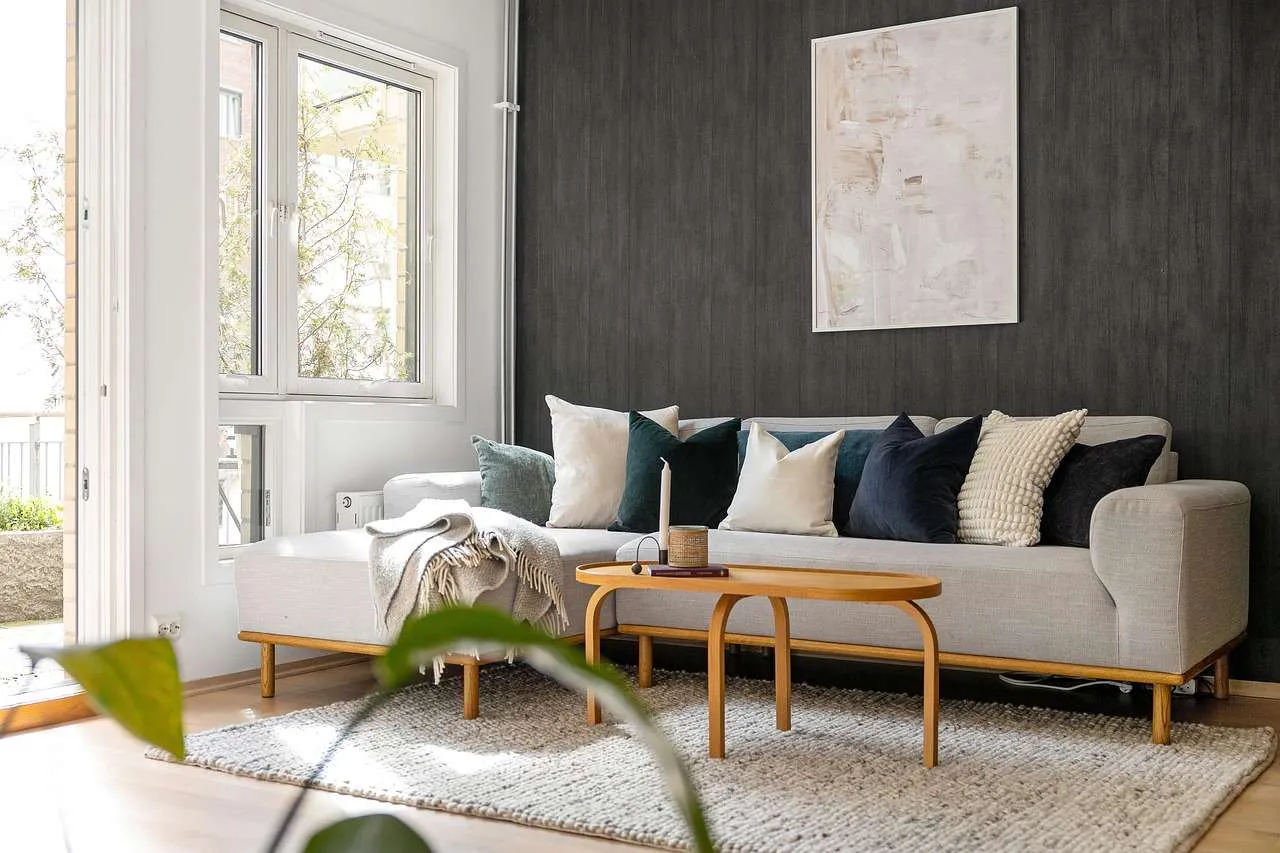
Introduction to Home Window Tinting
Home window tinting is a smart upgrade that improves comfort, protects interiors, and can reduce energy costs. By adding a thin film to glass, homeowners can control heat, glare, and UV exposure while preserving exterior views. This guide explains how tinting works, the main options, costs, and how to choose a qualified installer to ensure lasting results.
What is home window tinting and how does it work?
Window tinting involves applying a transparent film to the interior surface of glass. The film contains layers that reflect or absorb solar radiation, block ultraviolet light, and sometimes filter visible light. Different tint technologies offer varying levels of heat rejection, glare reduction, and light transmission. A properly selected tint can keep rooms cooler in summer, warmer in winter when paired with other insulation, and reduce fading of furniture and textiles.
Benefits of home window tinting
- Energy savings through reduced heat gain and improved AC efficiency
- UV protection that helps prevent fading of flooring and furnishings
- Glare reduction for comfortable viewing and screen use
- Enhanced privacy without sacrificing natural light
- Impact and safety benefits when using laminated or specialty films
Common tint types
Understanding tint types helps match performance with budget and aesthetics. Here are the main categories:
Dyed window tint
Economical option that absorbs heat and reduces glare. Pros include low cost and good color stability. Cons are potential color change over time and moderate heat rejection.
Metalized window tint
Contains metal particles that reflect heat. Pros include strong heat reduction and durability. Cons can include signal interference with electronics and a metallic look that some find objectionable.
Ceramic window tint
Premium option using ceramic particles. Pros are excellent heat rejection, minimal signal interference, and high clarity. Cons are higher upfront cost but long term energy savings typically justify the price.
Carbon or composite tint
Darkens without metal. Pros include good heat control, UV protection, and a non reflective finish. Cons are mid to high price and risk of fading in very sunny climates if low grade.
Laminated or safety tint
Includes a protective interlayer that holds glass together if broken. Pros include enhanced safety and privacy. Cons can be higher cost and limited color choices.
Installation considerations and legal compliance
Installation quality matters for performance and warranty. A certified installer will assess glass type, sun exposure, interior use, and local regulations. Many regions regulate tint darkness (VLT) for windshield and front side windows, with stricter limits for vehicles than homes. For homes, check local building codes and HOA guidelines if applicable. Always obtain written warranties and ensure proper surface preparation, cleaning, and cure time for the film adhesive.
Cost and return on investment
Costs vary by film type, number of windows, and window size. Typical residential tint projects run from a few hundred to a few thousand dollars, with ceramic and laminated films at the higher end. Long term, energy savings and furniture protection can offset initial costs. Each home is different, so a professional assessment helps predict ROI based on climate, orientation, and window exposures.
| Tint Type | Approx Cost per sq ft | Lifespan | Key Pros | Key Cons |
|---|---|---|---|---|
| Dyed tint | 2 - 4 | 5 - 10 years | Low cost, good glare control | Fades over time, moderate heat rejection |
| Metalized tint | 3 - 5 | 10 - 15 years | Strong heat rejection, durability | Possible electronic interference, reflective appearance |
| Ceramic tint | 6 - 12 | 15 - 20 years | Excellent heat control, no interference | Higher upfront cost |
| Carbon tint | 5 - 12 | 12 - 18 years | Good heat control, non reflective | Can be pricier |
| Laminated/safety tint | 6 - 15 | 20+ years | Safety and privacy, strong performance | Highest upfront cost |
Choosing a professional installer
To ensure EEAT standards, hire a licensed, insured contractor with a track record. Ask for local references, before and after photos, and a written warranty. Verify film manufacturer credentials and ensure the installer uses professional tools and proper surface preparation. A quality job includes cleaning, precise cutting to window frames, and a thorough inspection after installation.
Maintenance and care tips
Maintain tint appearance by avoiding abrasive cleaners on film surfaces. Use mild cleaners and a soft cloth. Keep an eye on edge lifting or bubbling and contact your installer if you notice issues early. Routine checks help preserve color, clarity, and adhesion over time.
FAQ and practical tips
Think about orientation and climate when selecting tint. South and west facing windows benefit from higher heat rejection. Balance privacy with daylight needs and choose a tint shade that matches your interior decor. For multi-story homes, plan professionally to avoid gaps and ensure uniform coverage.
Conclusion
Conclusion, home window tinting offers improved comfort, UV protection, energy savings, and enhanced safety when paired with the right tint and a qualified installer. By understanding the options, regulatory considerations, and maintenance needs, homeowners can choose a solution that fits budget and lifestyle while maximizing long term performance and satisfaction.